Dispensary in Memphis Tennessee: A Simple Guide to Potency Labels
Walking into a dispensary in Memphis Tennessee for the first time can feel like stepping into a new language. The menu looks familiar at a glance, but then you notice the labels, the numbers, the percentages, and the terms that seem designed to be just confusing enough to slow you down.
Potency labels are not there to impress anyone. They exist so you can compare products, anticipate effects, and avoid surprises. Once you learn how to read them, picking something that fits your day gets easier fast. You can also ask better questions, and you waste less time standing in front of the glass wondering whether “strong” means “right” for you.
If you have searched for a memphis dispensary or a dispensary near me, you are probably trying to make a smart choice without driving around town. This guide is built for that moment, when you are looking at a jar, a package, or a product card and trying to decode it quickly and accurately.
Why potency labels feel confusing at first
Most people are comfortable with one type of strength label: something like “mg per serving” on food or supplements. Cannabis potency labeling can feel different because it often mixes a few measurement styles:
1) percentages on the front of the package (like THC percentage),
2) cannabinoid totals (like mg of THC per package or per unit), and 3) wording about the strain or effect that is not the same thing as potency.Then there are format differences. Flower, prerolls, vapes, edibles, tinctures, and concentrates can all have THC numbers that look similar but do not behave the same way in your body. A vape cartridge might list “% THC,” while an edible might list “mg per piece.” Both can be “high potency,” but they translate to dose very differently.
The goal is not to memorize every labeling format. The goal is to learn the logic behind them so you can estimate what you are actually taking.
The core idea: potency is a numbers game and a dosing game
When people say “this is strong,” they usually mean one of three things:
- It has a high THC concentration (or high cannabinoid totals).
- It hits hard at a reasonable dose (dose per serving is manageable).
- It lasts long enough to feel noticeable.
Potency labels help with the first two. They do not perfectly predict the third because the way cannabinoids interact with your tolerance, body chemistry, and the product format matters a lot.
For example, two products might both be “around 25% THC,” but one is a concentrate that is absorbed quickly, and the other is flower that needs a larger volume to match that THC exposure. The label tells you concentration, not absorption speed.
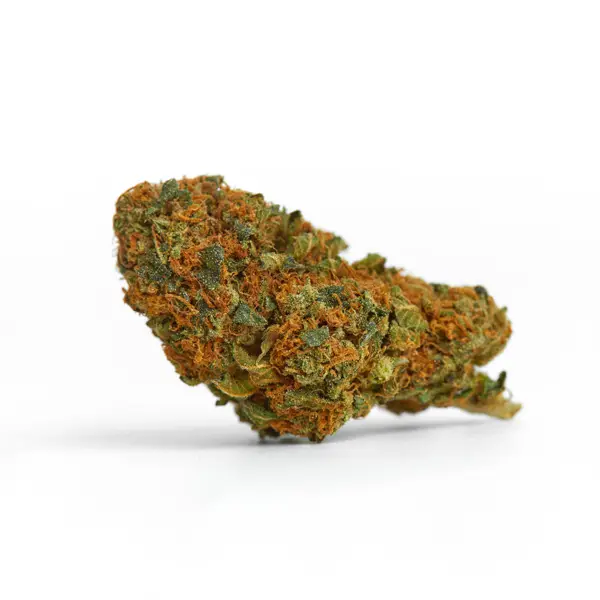
Still, once you read labels the right way, you can make much better choices.
How to read THC percentages without fooling yourself
A THC percentage, such as “THC: 22%,” is a concentration by weight. Roughly speaking, it tells you how much THC is present compared to the total weight of the product.
For flower, that can be a practical guide, but it is not a dosing guarantee. Why? Because flower comes with plant material that does not burn like pure THC. Your actual intake depends on how much you use, how you smoke or vape it, and how much is absorbed.
For vape or concentrate products, THC percentages cannabis store near me hours also matter, but again, the experience depends on device power, oil viscosity, airflow, and your inhalation patterns.
A simple way to think about it: THC percentage helps you compare products within the same format more confidently than it helps you compare across formats.
If you are shopping for something consistent, look for products that let you compare in the same category: flower to flower, vapes to vapes, edibles to edibles.
The mg labels are where dose becomes real
Edibles, tinctures, and many other consumables often list cannabinoids in milligrams. A label might show something like “10 mg THC per serving,” or “THC: X mg per package,” or both.
Milligrams are where your brain stops guessing and starts planning. If you are trying to avoid overdoing it, mg-per-serving is the number you want.
If the label only shows a total amount for the entire package, you can still use it, but you must figure out the serving breakdown. For example, if a package contains 100 mg THC and it is cut into 10 servings, the serving amount is about 10 mg per piece. Some labels make this very clear, some do not. In a busy ounce of hope memphis conversation, this is one of the most important questions you can ask: “What does a serving mean for this product?”
When you see both THC and CBD listed in mg, you also have the beginnings of a more nuanced expectation. CBD does not cancel THC every time, but it can change the feel for some people, especially with balanced formulations.
CBD dispensary questions: what the labels can and cannot promise
If you are looking for a cbd dispensary near me or cbd dispensary in Memphis, you will run into products that range from “CBD only” to “CBD dominant with some THC,” depending on how the product is categorized and formulated.
CBD labeling is often more straightforward, because many CBD products aim for a specific milligram amount and consistency is part of the appeal. Still, CBD is not a one-size-fits-all solution, and labels do not predict how you will respond.
Here is the practical way to approach CBD labels:
- Look for the mg amount per serving so you can estimate dose.
- If THC is present, check whether it is listed in percent or mg and treat it as real.
- Pay attention to the product format, because absorption speed changes the timeline of effects.
If you have ever tried a CBD product that felt “nothing,” it was sometimes a dose mismatch, sometimes a timing mismatch, and sometimes a mismatch between what you expected and what the product is designed to do. Labels give you the math, but you still need to respect the format.
Total cannabinoids: the “bigger picture” number
Some products list “total cannabinoids,” which may include THC, THCA, CBD, CBDA, and other compounds. This can be useful, but it is not automatically the same as “total intensity.”
Two products can have similar total cannabinoid content and still feel different based on:
- the THC-to-CBD balance,
- the ratio of THCA to THC in flower,
- minor cannabinoids and terpenes,
- and how much you take.
When a label includes total cannabinoids, I treat it as a context number, not the decision-maker. The decision-maker is still what you can dose reliably, meaning mg-per-serving or concentration plus your planned use.
THCA vs THC: why flower labels can mislead you if you skip the detail
Flower may list THC or it may list THC alongside THCA depending on how the lab report is presented or how the retailer formats the menu. Many consumers assume “THC” is the only relevant number.
In reality, THCA is a precursor that converts to THC when heated. That conversion is part of why flower effects differ from raw CBD or unheated extracts.
You do not need a chemistry degree to shop effectively. Just understand that with flower, the relevant question is: does the label represent THC after conversion, or is it showing a different measurement style?
If the label is unclear, a good dispensary will explain it. Ask whether the THC figure you are looking at is meant to reflect what you will experience after heating, not just what exists on paper.
This is also where a conversation can save you money. People often spend more than they meant to because they assume two flower products are comparable when their labeling styles are not.
Terpenes and “flavor profiles”: helpful, but not the potency the way THC is
Many cannabis products mention terpenes or describe aroma and effect. Terpenes can influence the feel, especially for people who pay attention to how their body responds to different profiles.
But terpene numbers, when shown, are not usually a substitute for THC or CBD dose information. If you want predictable strength, rely on cannabinoid labels first.
Think of terpenes as the “accent,” not the “volume knob.” The volume knob is THC and CBD, measured in a way you can dose.
Potency by product format: what to compare, and what to ignore
This is where real-world experience comes in. Labels are only half the story. The other half is knowing what comparisons matter.
Flower and prerolls
Flower and prerolls are often labeled with THC percentage. That helps, but dose still depends on how much you pack, your session length, and your tolerance.
If you want gentle effects, you can sometimes find “lower THC” flower, but even “lower” can feel strong if you are new or if you smoke more than you intend.
A common mistake is thinking, “This is lower THC, so I can smoke more.” Lower THC does not mean no intensity. It just means different concentration.
Vapes
Vapes can list THC percentages and sometimes mg per cartridge. A cartridge is a convenient dosing unit, but you still have to consider how your device delivers hits.
If you are new, start by using shorter sessions. Labels can tell you what is in the oil, but they cannot tell you how many puffs you will take or how your tolerance will respond.
Edibles
Edibles are where mg labels shine. The timing and duration can catch people off guard, which makes label literacy even more important.
If an edible says 5 mg THC per serving, that is a clear starting point for many people. If it says 25 mg per piece, that is not a “half and see” product. You can still split it, but the label may assume a standard serving size.
If the label only gives total THC per package, you must divide to know what a single piece is. A quick question at the counter is usually the easiest route.
Concentrates
Concentrates can be labeled as percentages or mg amounts depending on the product type. Concentrates are potent by nature because they remove plant material. That means “high THC percentage” can translate into “you use less than you think.”
If you are used to flower dosing, concentrates can surprise you even when you are reading the same THC number. The safe move is to treat concentrates like you are entering a new category, not like a stronger version of what you already know.
A quick mental checklist you can use at the counter
If you want one simple way to slow down and read labels correctly, use this short checklist. It fits in your head, and it keeps you from buying on vibes.
- Confirm whether the label is giving percentage or mg per serving.
- Find the serving size (especially for edibles and drinks).
- Check whether THC and CBD are both present, and in what amounts.
- Ask how the store expects you to think about dose for your use case (new to cannabis, pain, sleep, daytime use).
That last point matters more than people expect. A good dispensary in Memphis tennessee should be able to steer you based on the way you want to use cannabis, not just the lab numbers.
Edge cases that show up in real shopping
Labels are helpful, but a few situations create confusion often enough that it is worth naming them.
“Strong” on the menu but not on the math
Sometimes a product is marketed as “strong,” but the label shows moderate THC and the rest is hype. Other times, a product has lower THC but a higher CBD or a specific terpene profile that makes it feel different.
If you are avoiding anxiety or unwanted headiness, a product that looks “less strong” on THC might still feel intense, depending on your sensitivity. Conversely, some people handle higher THC well because the rest of the formulation and dose timing fit their body.
Old batch anxiety
Freshness can affect the experience, especially with flower. While potency on paper might remain consistent, aroma and overall quality can drift over time. That can change how “harsh” or “smooth” a product feels, which can affect how CBD dispensary in Memphis TN much you use.
When you care about quality, pay attention to package dates and storage conditions if the dispensary provides them. If they do not, ask. A store that works with customers regularly will have a routine for it.
The “CBD with a little THC” misunderstanding
Many CBD shoppers assume “CBD” means no THC. Some products include THC intentionally for balance or effect. Labels usually show THC amounts, but consumers sometimes miss it.
If you have workplace requirements, probation rules, or personal boundaries, treat any listed THC as meaningful. Ask before you buy, especially if you are seeking a cbd dispensary in Memphis for a specific reason.
How to choose potency when you do not know your target yet
If you are new, or if you are returning after time away, the biggest win is to choose potency you can dose gently.
People usually overdo it in one of two ways. Either they choose something too strong and use it too soon, or they choose something too mild and then keep adding because it has not kicked in yet.
Edibles are the classic example. The label might say 10 mg THC, but if it takes longer than expected to start, people may take more. That is not a label reading problem, it is a timing problem layered onto dose.
A better approach is to match potency to patience. If the product has a slower onset, lower potency often protects you from the “wait then take more” trap.
Potency labels and the questions worth asking
If you want to leave with the right product, bring your questions to the numbers. You do not need to ask everything, just the most useful pieces.
Here are the kinds of questions that tend to get you better answers fast:
- “Is this percentage or mg per serving, and what is the typical dose for someone starting out?”
- “If it is an edible, what does one serving equal, and how many servings are in the package?”
- “If THC is present alongside CBD, what ratio is this product aiming for?”
- “Do you have something with a lower THC option, or do you recommend a specific format for daytime versus evening?”
If the staff member can answer clearly and consistently, that is a sign the product labeling is not just decoration in their system. It is also a sign they will help you troubleshoot if the first try does not land perfectly.
Where “once of hope memphis” and “ounce of hope” conversations fit in
Some shoppers search for once of hope memphis tn, ounce of hope memphis, or an ounce of hope dispensary because they heard a name, not because they came armed with label literacy. That is normal. In practice, it means you might be arriving with a general intention, like “I heard they have good products,” but you still need to translate that into the right potency for you.
If you are visiting any memphis dispensary, whether it is your first stop or your usual spot, the label still has to match your needs. Names do not replace math. When you read THC and CBD amounts in a consistent way, you can walk out with confidence even if the product lineup changes.
Think of the storefront as the map, and the potency labels as the instructions.
A simple comparison: which label number matters most?
If you are standing in front of two products and want to decide what to trust, this comparison helps.
| Product type | Most useful potency label | Why it matters | |---|---|---| | Flower or prerolls | THC percentage (plus your planned dose) | Concentration guides how strong it can feel, but your session size still drives the outcome | | Vape cartridges or oils | THC percentage and any mg-per-unit info | Concentration helps, but your puffing patterns affect intake | | Edibles | mg THC per serving (and serving size) | You can dose more precisely and plan timing | | Tinctures | mg per serving or per dose (if listed) | Consistent measurement beats guessing | | CBD-focused products | CBD mg per serving, plus any listed THC mg | You need the dose and you need to know what THC, if any, is included |
This is not about being rigid. It is about using the label that actually helps you make a decision for that format.
Common dosing mistakes and how to avoid them
Even with perfect label reading, people still run into the same mistakes. I have seen it enough to know the patterns.
First, people start too high and then chase relief by taking more quickly. Second, people misunderstand serving size, especially with gummies and drinks that have multiple pieces or servings per container. Third, people ignore the fact that tolerance changes and effects are not identical day to day, even with the same product.
The antidote is boring and effective: start low, slow down your timing, and give the product the chance to work before you adjust.
Your tolerance is not a fixed trait, it is a moving target. Sleep, stress, food intake, hydration, and whether you have used recently can shift your experience.
Potency labels help, but your behavior around dosing determines how well those labels translate into reality.
What “potency” means for your goals, not just for strength
Different goals often require different potency strategies.
If you are looking for daytime comfort, many people prefer lower doses and quicker formats. If you are targeting relaxation, higher potency might be appropriate, but only if you can dose in a way that does not leave you overly impaired.
For sleep, some shoppers look for products that combine THC with other cannabinoids, but even then, the label matters less than the dose and the onset timing. For pain, the balance can vary widely by person. Some do well with higher THC, others want more CBD and less THC, and many land somewhere in the middle.
A good dispensary near me experience is not just about finding the “strongest” product. It is about matching potency to your expected timeline and your comfort level.
Final practical advice for your next visit
If you take nothing else from this guide, take this: potency labels are most useful when you read them as dosing information, not as a scoreboard.
When you see a THC percentage, translate it into a dose plan for that format. When you see mg, treat it like the serving math it is. When CBD is part of the picture, check the mg amounts and note any THC presence.
And if you are browsing a cbd dispensary near me selection, remember that “CBD” does not automatically mean “no THC.” The label is the truth of what you are buying.
Once you do that consistently, shopping becomes simpler. The menu stops feeling like a puzzle, and the label numbers start doing their actual job.
If you want, tell me what format you’re considering (flower, vape, edible, tincture) and whether you are aiming for daytime, evening, or sleep. I can help you interpret the typical label numbers you will see on that product type and suggest a sensible way to start.